Why Humane Wildlife Removal Is Important for Property and Animal Safety
Humane wildlife removal helps protect property and animals by safely removing and preventing pests like raccoons, squirrels, and bats with the assistance of local service providers.
Understanding why humane wildlife removal is important for property and animal safety can help property owners address common issues caused by wild animals. When animals find their way into attics, garages, or crawl spaces, they can cause structural damage, create unsanitary conditions, or even pose health risks. Local contractors who specialize in humane wildlife removal have the experience and tools to safely and effectively remove these animals, helping to protect both the property and the animals involved. Exploring this topic ensures homeowners are aware of the practical benefits of professional wildlife management and how it can prevent future problems.
Property owners in the area might consider humane wildlife removal services to avoid the risks associated with animals settling into their homes or businesses. Unwanted wildlife can lead to costly repairs or health concerns if left unaddressed. Local service providers focus on humane methods that prioritize animal welfare while safeguarding property. Continuing to read can provide valuable insights into how these professionals help maintain a safe and animal-friendly environment, making it easier to find the right solutions for property and animal safety needs.
- Bat removal - when bats roost in attics or walls, local contractors use humane methods to safely remove and exclude them from the property.
- Squirrel control - if squirrels are nesting in roof eaves or chimneys, local service providers implement humane strategies to evict and prevent re-entry.
- Raccoon trapping - raccoons rummaging through trash or nesting in crawl spaces require humane removal to protect both property and animal well-being.
- Bird exclusion - when birds nest on rooftops or in vents, local pros apply humane deterrents to prevent damage and ensure safe removal.
- Skunk removal - in cases where skunks dig under decks or in yards, service providers handle humane removal to avoid harm to animals and property damage.
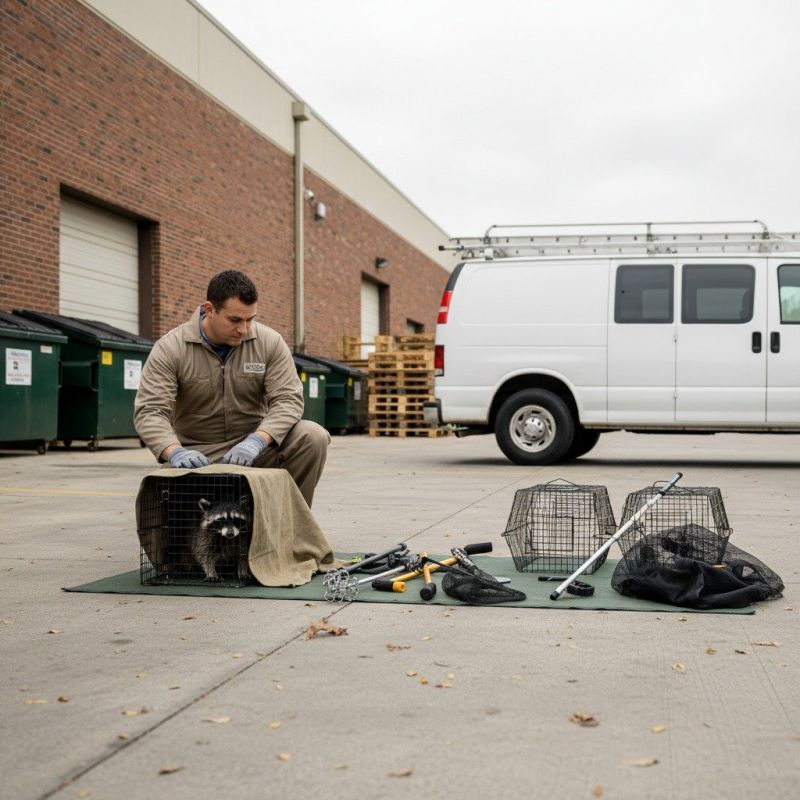
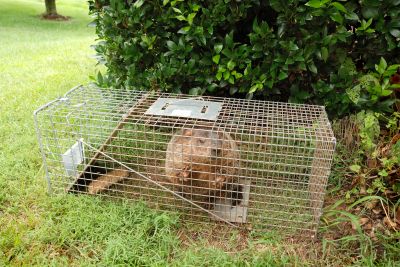
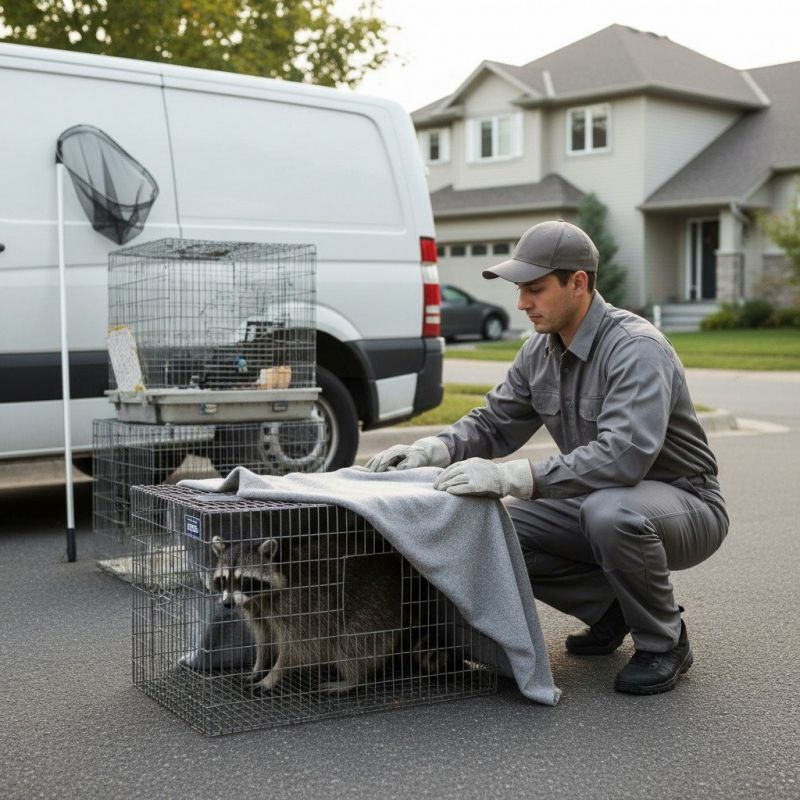
When people search for why humane wildlife removal is important for property and animal safety, they are often concerned about the presence of animals that have entered or are nesting on their property. Common issues include animals like raccoons, squirrels, bats, or birds gaining access to attics, crawl spaces, or wall cavities, which can lead to property damage or health risks. Homeowners want solutions that not only remove the animals humanely but also prevent future invasions. This topic relates to plans for protecting the structural integrity of a home, avoiding costly repairs, and ensuring that animals are relocated without harm. Local service providers who specialize in humane wildlife removal are equipped to handle these situations effectively, offering services that prioritize animal welfare while safeguarding property.
Many property types are involved when discussing why humane wildlife removal is necessary. Residential homes are most commonly affected, especially those with accessible attics, vents, or gaps in the foundation. Commercial buildings, such as warehouses or retail spaces, can also experience animal intrusions, leading to contamination or damage. Additionally, outbuildings like barns, sheds, or garages are frequent targets for wildlife seeking shelter. These properties often have structural vulnerabilities that make them attractive to animals. When property owners notice signs of animal activity-such as droppings, noises, or damage-they may seek humane removal services to address the problem promptly and responsibly.
The problems related to wildlife intrusions extend beyond property damage. Animals that find their way into buildings can pose health risks through droppings, urine, or nesting materials that harbor parasites or bacteria. Some species, like bats or raccoons, can carry diseases transmissible to humans or pets. Additionally, animals often cause structural issues by chewing through insulation, wiring, or wood framing, which can lead to costly repairs or fire hazards. Property owners planning to resolve these issues often look for humane wildlife removal as a way to resolve the problem without harming the animals, ensuring that the animals are relocated safely away from the property. Local contractors experienced in humane removal can help develop a plan that addresses both the animal issue and the property's safety.
Humane wildlife removal services are vital for maintaining a safe and healthy environment around residential and commercial properties. These professionals use methods designed to gently and effectively remove animals, preventing them from causing further damage or posing health risks. They also implement exclusion techniques to block future entry points, reducing the likelihood of repeat invasions. For property owners, working with local service providers ensures that the removal process aligns with best practices for animal welfare and property protection. Whether dealing with a raccoon in the attic or a colony of bats roosting in a barn, humane wildlife removal offers a practical solution that addresses the root of the problem while respecting the well-being of the animals involved.
Bird control projects - these involve installing bird deterrents and exclusion devices, which require similar planning and tools as humane wildlife removal to prevent animals from entering properties.
Rodent proofing services - sealing entry points and implementing exclusion methods are common skills shared with wildlife removal to ensure property safety and prevent animal infestations.
Attic cleanup and restoration - removing animal debris and sanitizing affected areas aligns with humane wildlife removal efforts to restore property safety and hygiene.
Nuisance animal removal - handling various unwanted animals using humane techniques requires expertise that overlaps with wildlife exclusion and property protection strategies.
Exclusion and barrier installation - setting up physical barriers to keep animals out involves planning and tools similar to those used in wildlife removal projects.
Wildlife habitat modification - altering landscape features to discourage animal nesting or foraging shares planning skills with humane wildlife removal for property safety.
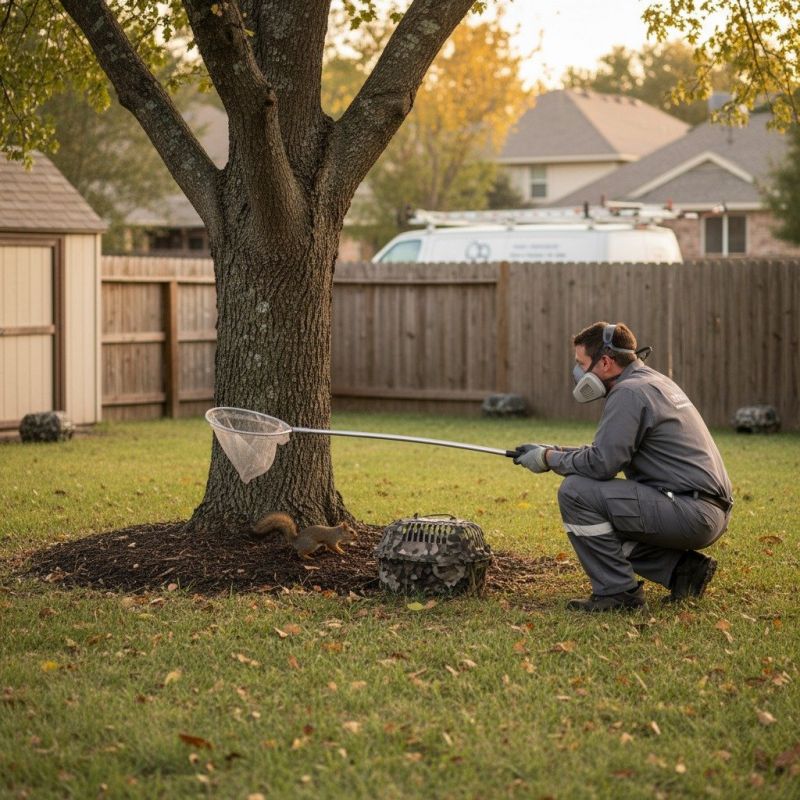
When evaluating local contractors for humane wildlife removal, experience with similar projects is a key factor to consider. Homeowners should inquire about the types of wildlife the service providers have handled and their familiarity with the specific animals causing concerns. An experienced professional will understand effective and humane methods for removal, reducing the risk of property damage or animal injury. This background helps ensure the chosen service provider can handle the task efficiently and responsibly, which is essential for maintaining property integrity and ensuring the safety of the animals involved.
Clear written expectations are vital when comparing local wildlife removal services. Homeowners should seek detailed descriptions of the scope of work, including how animals will be removed, what humane techniques will be used, and any follow-up measures. Having this information in writing helps prevent misunderstandings and ensures that both parties are aligned on the process. It also provides a basis for evaluating whether the service provider’s approach aligns with the homeowner’s priorities for humane treatment and property protection.
Reputable references and good communication are crucial indicators of a trustworthy service provider. Homeowners can ask for references from previous clients who have had similar wildlife issues addressed, which can provide insights into the quality of work and professionalism. Additionally, responsive and transparent communication throughout the process indicates a contractor’s commitment to customer service and clarity. These qualities help ensure that the project proceeds smoothly, with clear updates and a shared understanding of expectations, ultimately supporting effective and humane wildlife removal that prioritizes property and animal safety.
Property owners often search for why humane wildlife removal is important for property and animal safety when they are planning practical projects around their homes and businesses. Local pros provide Humane Wildlife Removal services for everyday jobs and straightforward project options.
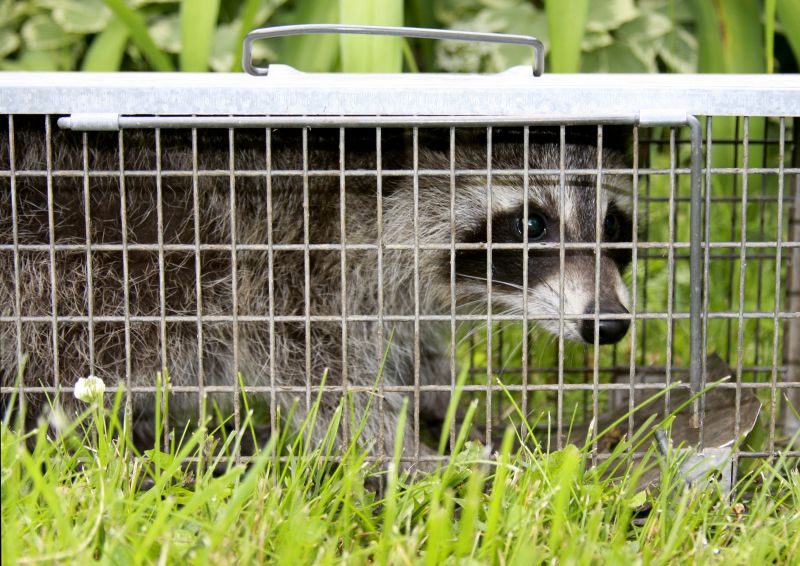
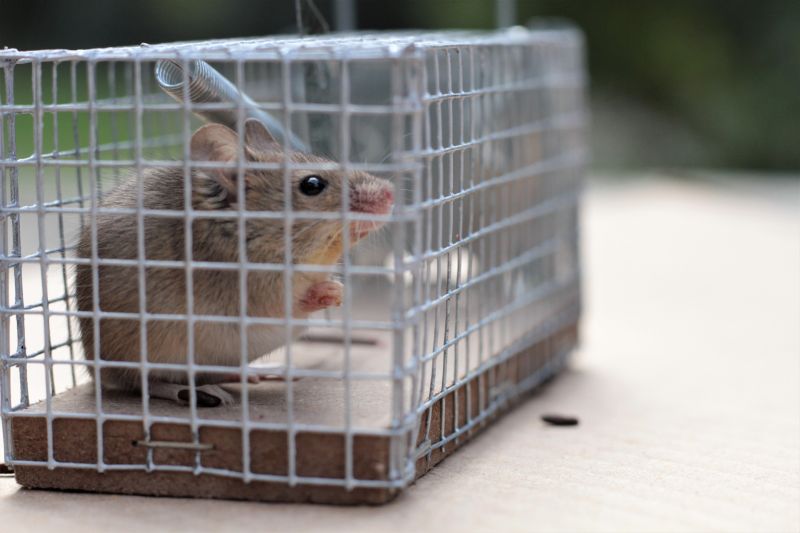
Humane wildlife removal plays a crucial role in maintaining property integrity and ensuring the safety of both residents and animals. When animals such as raccoons, squirrels, or bats take refuge in attics, crawl spaces, or around the exterior of a property, they can cause structural damage or create entry points that lead to further issues. Property owners often seek humane removal services to address these situations promptly, preventing costly repairs and avoiding the risks associated with animals nesting in hard-to-reach areas. Local contractors specializing in humane wildlife removal are equipped to handle these situations safely and effectively, offering solutions that prioritize animal welfare while protecting the property's condition.
In addition to property concerns, humane wildlife removal is important for preventing potential health hazards and conflicts. Animals that enter residential or commercial spaces may carry parasites or diseases that could pose risks to humans and pets. Removing animals humanely reduces the likelihood of injuries caused by animals defending their nests and helps avoid the need for more invasive or harmful removal methods. Property owners in the area often look up this topic to find experienced service providers who can handle these situations responsibly, ensuring that animals are relocated safely and that the property remains secure from future intrusions. Local pros are available to provide these services, supporting safe and ethical wildlife management.
Why is humane wildlife removal important for property safety? Humane wildlife removal helps prevent property damage caused by animals such as chewed wiring, insulation destruction, or structural harm, by safely removing animals without causing harm to them.
How does humane wildlife removal contribute to animal safety? It ensures that animals are relocated safely and ethically, reducing the risk of injury to both animals and people during removal processes.
What are the benefits of choosing professional humane wildlife removal services? Professionals use effective and ethical methods to remove animals, helping to prevent future infestations and ensuring the safety of both property and wildlife.
Why should property owners avoid DIY wildlife removal? Do-it-yourself methods may harm animals or cause property damage, whereas local contractors provide safe, humane removal that minimizes risks for everyone involved.
How can humane wildlife removal help prevent health hazards? Proper removal reduces the risk of disease transmission from animals such as rodents or bats, protecting the health of residents and maintaining a safe environment.
Identify and seal entry points - property owners can work with local contractors to find and close gaps that animals use to access structures, reducing future invasions.
Implement humane exclusion methods - applying safe removal techniques ensures animals are relocated without harm, protecting both property and wildlife.
Schedule regular inspections - routine checks by local pros can catch early signs of animal intrusion before damage occurs or safety risks increase.
Educate on wildlife behavior - understanding animal habits helps property owners take preventative steps with guidance from local service providers.
If you are thinking about why humane wildlife removal is important for property and animal safety for a property, this guide is meant to help you understand this topic, the typical project types, and how different options might fit your plans.
When you are ready, you can use the quote form on this page to share a few details about your project. From there, local pros can review the basics and follow up with options that match what you have in mind.